Skip to content
In Quiet DetailA visual study of simple, well-made objects.

Historical year lookup

Zippo 1963

Historical Zippo references associated with 1963: 6 case/bottom stamp entries, 4 insert entries, and 2 photographed examples. Date codes, materials and insert construction should be assessed together, especially for transitional years.

6 case references4 insert references2 photographed records

Historical context and cautions

Historical dating note

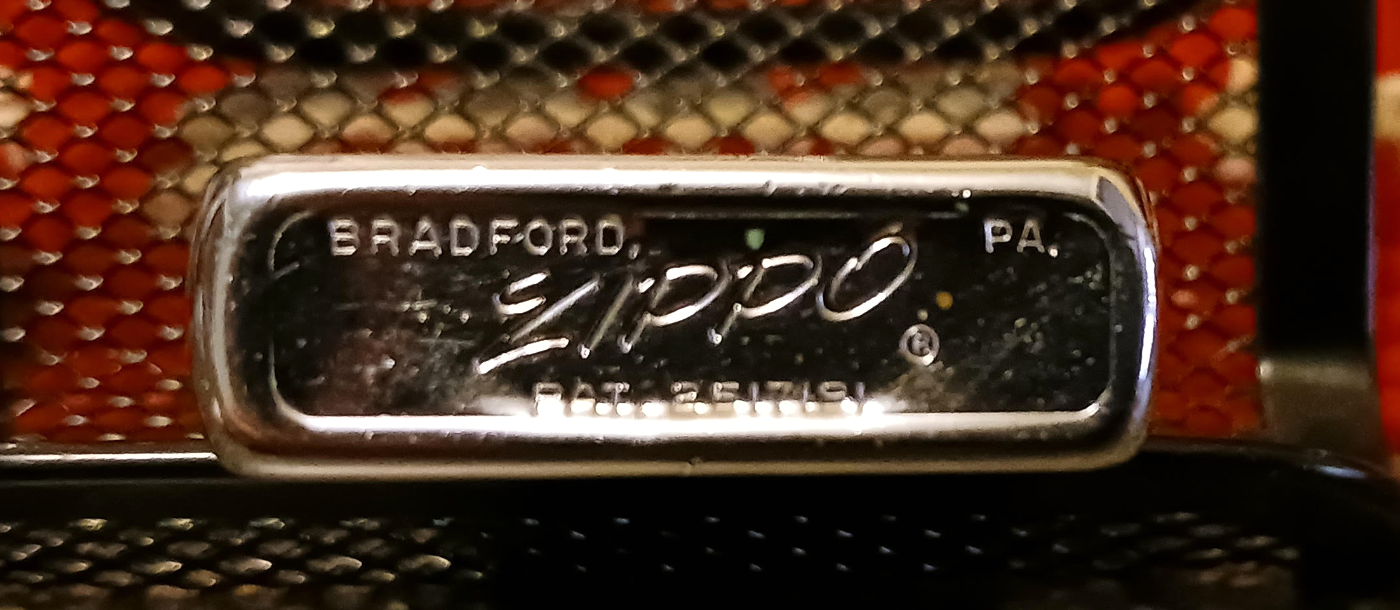
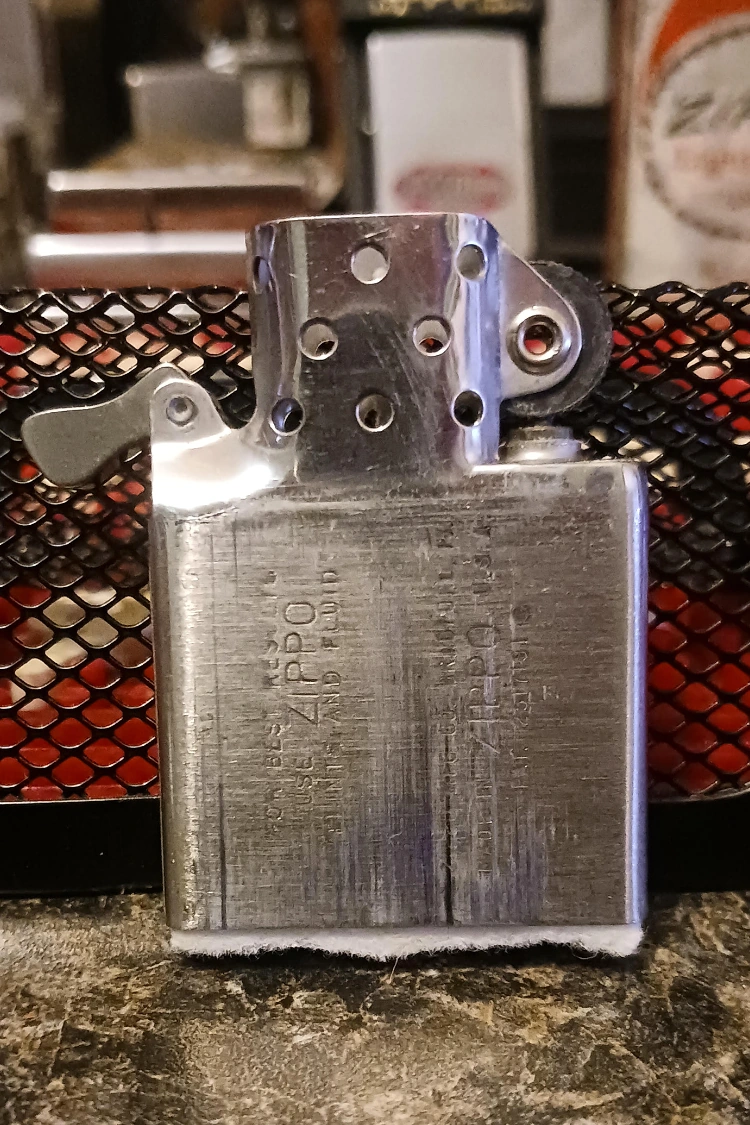
Terry Lyons photographic reference: a Bradford regular-size case shows the 1963 dots pattern (2 left, 1 right), with associated insert front/back and chimney-top photographs. The insert may have been replaced; determine case and insert dates separately.

Canadian production note

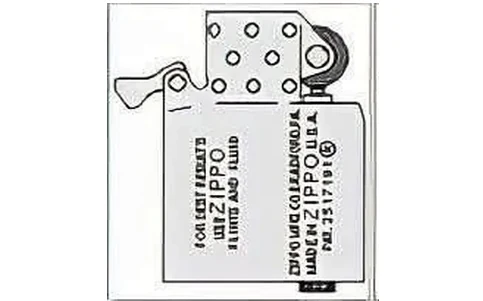
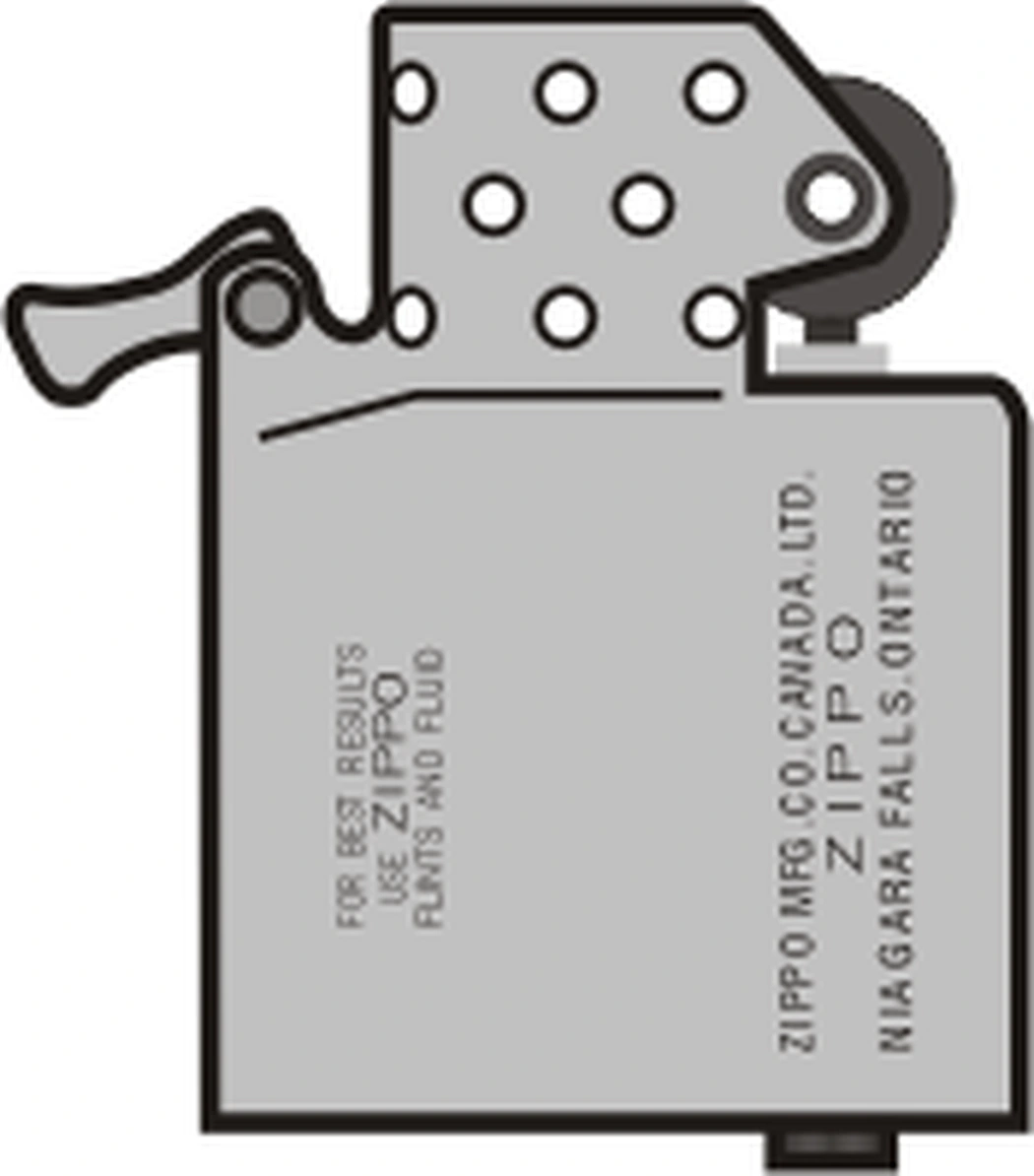
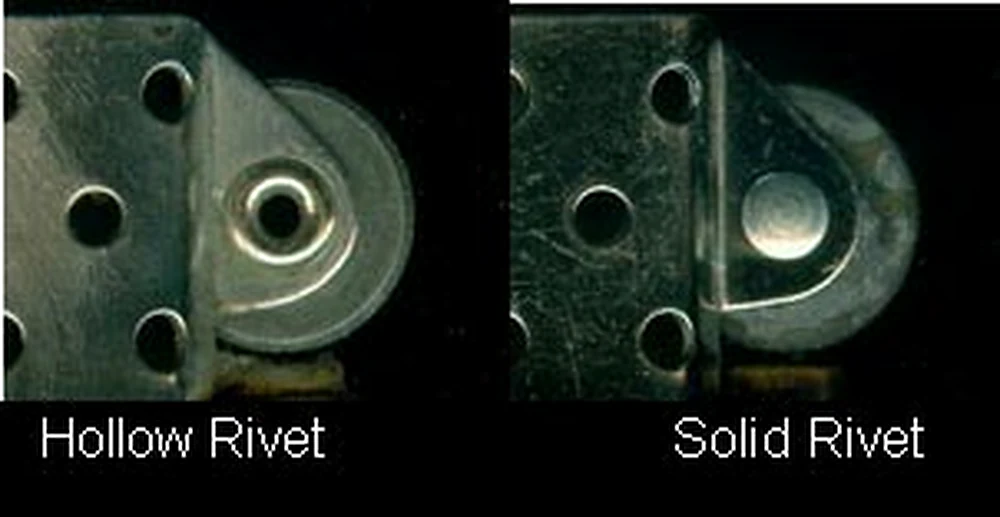
Around 1963 Canadian insert imprint orientation changes from upright/horizontal to sideways/vertical. Hollow and solid rivets can overlap around the transition.

Bottom stamps and cases

1963

1963

Case / bottom stamp · 1963

Insert references and construction

1961 67

1961 67

Insert reference · 1961–1967

Construction features documented for 1963

Typical US regular-production chronology from independent collector research by Hardi Döhler. The ranges overlap, and Canada, Slim, Replica, Sterling, Japan-market and special editions may differ. These are supporting observations, not a definitive date determination.

Case shapes

  • Postwar recessed-bottom profile 1947–2026 · broad · Source: Hardi Döhler

    The familiar recessed-bottom case profile develops in the postwar years; this alone cannot distinguish later decades.

    Present-day cases, replicas and special lines can depart from the usual form.

Case metals and finishes

  • Brass as common regular-case substrate 1954–2026 · broad · Source: Hardi Döhler

    Chrome-plated brass becomes typical again in the mid-1950s; special materials and later editions are exceptions.

    Typical Bradford-made regular lighter; exceptions and overlapping production runs exist.

Hinge development

  • Five-barrel hinge with unequal widths 1956–2005 · broad · Source: Hardi Döhler

    Later five-barrel hinges generally have an uneven barrel-width pattern. This broad clue cannot determine a precise year.

    Typical Bradford-made regular lighter; exceptions and overlapping production runs exist.

Patent and bottom-stamp wording

  • PAT. 2517191 with dating marks 1957–1967 · approximate · Source: Hardi Döhler

    The second patent number is frequently found on period bottom stamps alongside date marks; placement varies.

    Typical Bradford-made regular lighter; exceptions and overlapping production runs exist.

Insert materials

  • Chrome-plated sheet-steel insert 1953–2026 · broad · Source: Hardi Döhler

    Chrome-plated steel construction with a seam is typical of later regular inserts, but special and premium variants differ.

    Typical Bradford-made regular lighter; exceptions and overlapping production runs exist.

Insert lettering

  • Vertical insert lettering 1959–1999 · broad · Source: Hardi Döhler

    Vertical inscription layouts are common across later twentieth-century inserts; compare typography and code patterns.

    Typical Bradford-made regular lighter; exceptions and overlapping production runs exist.

Chimney construction

  • Open-sided 16-hole chimney 1947–2026 · broad · Source: Hardi Döhler

    Sixteen holes and an open wheel-side chimney wall become typical from the late 1940s onward.

    Typical Bradford-made regular lighter; exceptions and overlapping production runs exist.

Cam springs

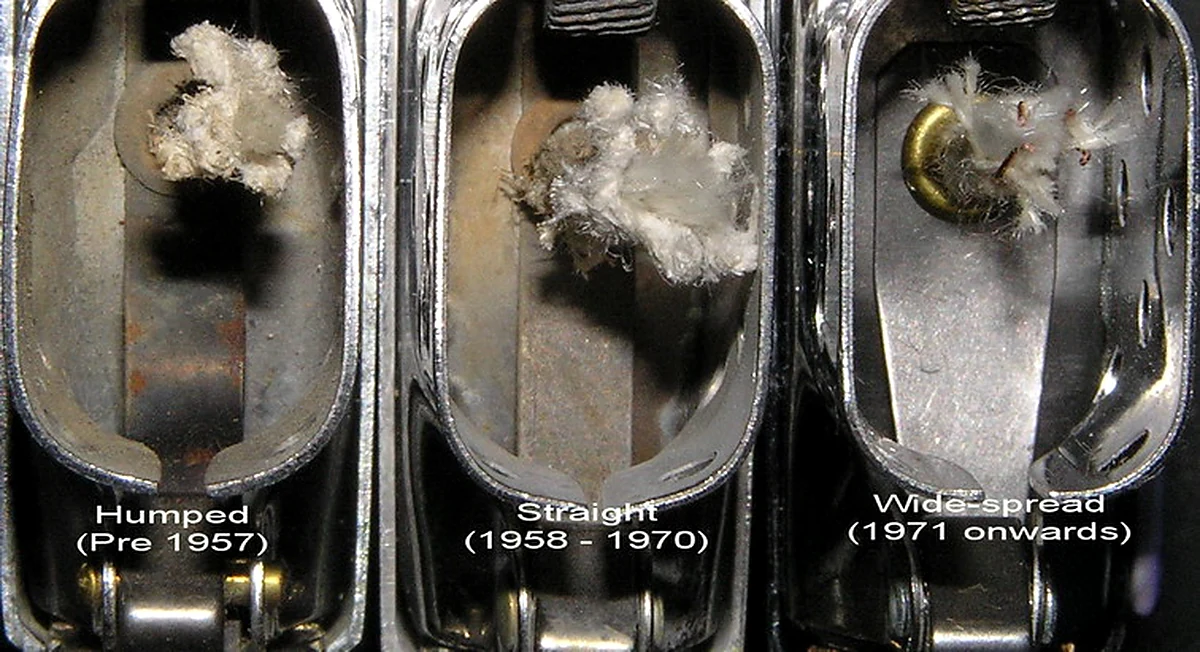
  • Narrow straight cam spring 1958–1970 · transitional · Source: Hardi Döhler

    The straighter, narrower leaf spring becomes typical in the late 1950s and remains in use into the 1970 transition.

    Typical Bradford-made regular lighter; exceptions and overlapping production runs exist.

Flint-wheel cuts

  • Cross-cut flint-wheel teeth 1946–2026 · broad · Source: Hardi Döhler

    Cross-cut flint-wheel pattern becomes typical after the war, with possible overlap and replacements.

    Typical Bradford-made regular lighter; exceptions and overlapping production runs exist.

Flint-wheel rivets

  • Hollow flint-wheel rivet 1933–1963 · transitional · Source: Hardi Döhler

    Hollow flint-wheel rivets appear through the early 1960s; later examples may carry replaced components.

    Typical Bradford-made regular lighter; exceptions and overlapping production runs exist.

  • Hollow-to-solid rivet transition 1961–1963 · transitional · Source: Hardi Döhler

    Hollow and solid rivets can overlap during the early-1960s transition.

    Typical Bradford-made regular lighter; exceptions and overlapping production runs exist.

Felt pads

  • Unprinted light-coloured felt pad 1947–1992 · broad · Source: Hardi Döhler

    A plain pale rectangular felt pad is documented across many decades; replacement pads limit its dating precision.

    Typical Bradford-made regular lighter; exceptions and overlapping production runs exist.

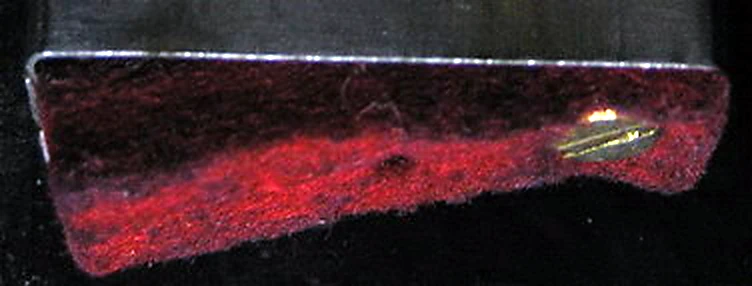
  • Optional red felt 1959–1968 · exception · Source: Hardi Döhler

    Red felt is documented as a less-common variant, not as a mandatory feature of every example in this interval.

    Typical Bradford-made regular lighter; exceptions and overlapping production runs exist.

Wicks and packing

  • Pre-copper-wire wick construction 1933–1980 · broad · Source: Hardi Döhler

    Older wick styles can differ from the later copper-wire-interwoven wick; repairs commonly replace wicks.

    Some historic wick materials may contain asbestos; avoid disturbing uncertain old material.

Explore the full construction chronology

Case construction evidence

Insert construction evidence

Similar years

1962 · 1964

Interpretation: References may cover multiple years. A documented insert date is not proof of its case production date, and special Replica stamps require separate interpretation.